The Pros and Cons of Cryotherapy for Everyday Wellness


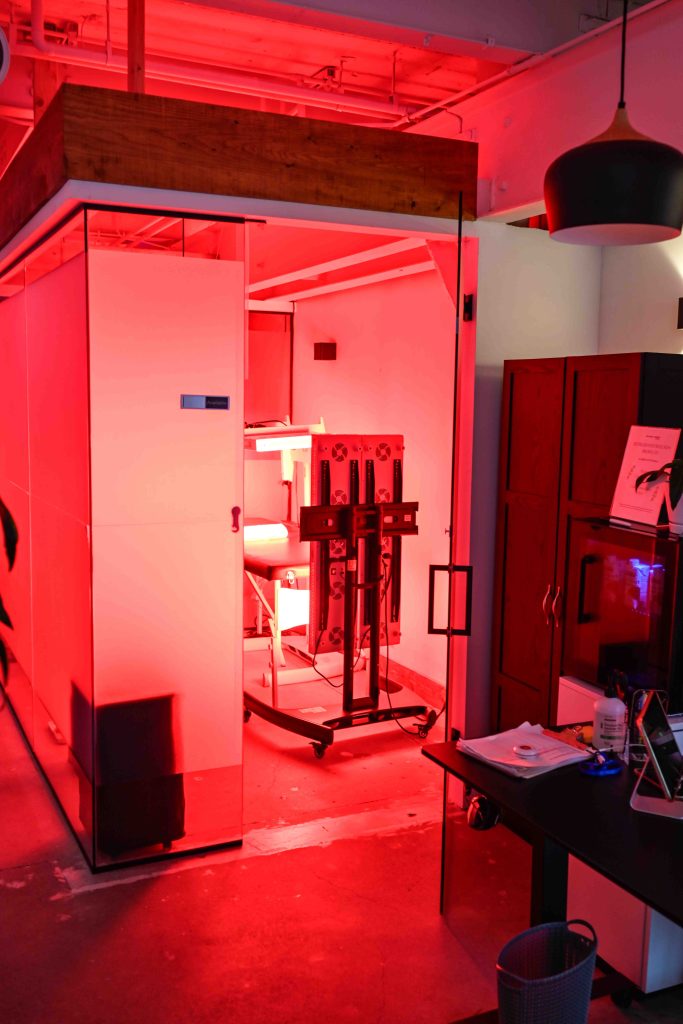
Cryotherapy has moved well beyond elite sports and rehab clinics. It now sits in shopping centers, wellness studios, recovery lounges, and med spas, often marketed as a fast route to less soreness, more energy, better skin, and even a brighter mood. For many people, the appeal is obvious. Step into intense cold for a few minutes, step out feeling alert, lighter, and reset. It sounds efficient, almost suspiciously so.
Yet cryotherapy occupies an awkward space in everyday wellness. Some people swear by it. Others try it once, shiver through the session, and never go back. The gap between the promises and the lived experience can be wide. That is usually where the real conversation should begin, not with trend-driven claims, but with what this practice actually does, where it may help, where it probably will not, and who should think twice.
At its core, cryotherapy means exposing the body to very cold temperatures for a short period. In a wellness setting, that usually refers to whole-body cryotherapy, where someone enters a chamber chilled to extremely low temperatures, often for two to four minutes. Localized cryotherapy is also common. That version targets a joint, muscle group, or small body area with cold air or a similar device. There are older, less glamorous cousins too, such as ice baths and cold packs, which remain more accessible and better studied in some contexts.
The popularity of cryotherapy makes sense if you have spent time around active adults, shift workers, busy parents, or desk-bound professionals trying to manage aches without adding another hour-long routine to the calendar. People are looking for interventions that feel immediate. Cryotherapy delivers an immediate sensation, which is one reason it has become so sticky in the wellness world.
Why the cold feels so powerful
The body responds to sudden cold in predictable ways. Blood vessels near the skin constrict. The nervous system perks up. Breathing changes. Heart rate can shift. Many people describe a strong sense of alertness afterward, almost like the snap you get from plunging your face into cold water, only amplified by novelty and intensity.
That short-term jolt is real enough that it can be mistaken for proof of broad health transformation. The challenge is that feeling dramatically different for twenty minutes is not the same thing as building measurable, lasting change. Cold exposure can influence perception of pain, temporary inflammation patterns, and mood. Those effects matter. They just need to be framed honestly.
If you have ever iced a sprained ankle, you already understand part of the logic. Cold can dull discomfort and reduce the sense of swelling. Whole-body cryotherapy takes that simple principle and scales it into an experience. The chamber, the countdown clock, the vapor, and the dramatic temperature range all add theater. That theater is not necessarily bad, but it can blur the line between meaningful benefit and wellness pageantry.
Where cryotherapy may genuinely help
For a certain type of person, cryotherapy can be useful. The best candidates are usually those with a clear reason for using it rather than a vague hope that it will improve everything at once.
Muscle soreness is one of the more common reasons people book sessions. After a hard workout, especially one involving eccentric loading like downhill running, heavy squats, or a return to training after time off, the body can feel beat up for a day or two. Some people report that cryotherapy takes the edge off that soreness and helps them move more comfortably the next day. The distinction matters: it may help them feel better, even if it does not magically repair muscle tissue faster.
There is also a practical wellness benefit in that. If a person feels less sore, they may be more likely to keep a walking routine, maintain mobility work, or avoid the all-or-nothing cycle where one hard workout knocks them off track for a week. In that sense, the value of cryotherapy may be indirect. It can support consistency by improving comfort.
Joint discomfort is another area where localized cryotherapy can make sense. Someone with a cranky knee after tennis, a shoulder that flares after gardening, or a wrist irritated by repetitive work may appreciate a targeted cooling treatment. Again, the goal is usually symptom management, not structural cure. It may turn a rough evening into a tolerable one. That is not a small thing, especially for people trying to stay active as they age.
Mood and energy are more complicated, but worth mentioning. Many regular users describe feeling mentally sharper or emotionally lifted after sessions. Some of that may come from the stress response to cold itself. Some may come from the novelty, ritual, or placebo effect, which should not be dismissed too quickly. If a practice makes a person feel better and carries acceptable risk, the mechanism does not need to be romanticized to have value. The key is to avoid making claims the evidence does not firmly support.
Skin-related claims are often part of the sales pitch. People talk about tighter skin, reduced puffiness, and a fresher appearance. Short-term changes in circulation and inflammation can make the skin look temporarily different, just as a cold facial roller can. But the leap from that transient effect to major anti-aging outcomes is where marketing tends to outrun reality.
The strongest case for cryotherapy is often narrower than the ads suggest
When clients or readers ask whether cryotherapy works, the honest answer is usually, “It depends on what you want from it.” If the goal is to treat every source of fatigue, improve body composition, cure chronic pain, sharpen concentration, and reverse skin aging, the answer is no. If the goal is to feel more awake, reduce post-exercise discomfort, or get a temporary reprieve from mild aches, the answer may be yes.
That narrower framing saves people money and frustration. It also places cryotherapy where it belongs, as a supportive tool rather than a foundational one. Sleep, training load, nutrition, hydration, stress management, and basic medical care still do the heavy lifting in everyday wellness. A person sleeping five hours a night and living on convenience food is unlikely to get meaningful long-term benefit from three expensive cryotherapy sessions a week.
This comes up often with recreational athletes. Someone will add cryotherapy hoping it solves persistent fatigue, when the deeper issue is overtraining, low iron, underfueling, poor recovery habits, or an unresolved injury. The cold may mute the symptoms just enough to delay the real fix. That is one of the subtle downsides of many recovery modalities. They can make it easier to ignore useful body signals.
The financial question is impossible to ignore
Cryotherapy is rarely cheap. Prices vary by city and studio model, but single sessions often cost enough to make regular use a real budget decision. Packages can reduce the price per visit, yet the monthly total can still rival a gym membership or exceed it. For most households, that means cryotherapy competes with other wellness spending.
This matters because opportunity cost is part of the pros-and-cons equation. If a person has disposable income and enjoys the experience, fine. If the same money would otherwise go toward strength coaching, physical therapy, a quality mattress topper, produce, walking shoes, or an earlier bedtime made possible by reduced overtime, the comparison changes. Cryotherapy may feel more advanced than those basics, but basics generally produce stronger returns.
There is a pattern in wellness spending that shows up again and again. People gravitate toward interventions that are short, visible, and purchasable. Those feel like action. The habits that reshape health usually look plainer. Cryotherapy fits neatly into the first category. That does not make it worthless. It simply means consumers should assess it with unusual honesty.
The potential downsides are not just about money
Cold exposure is not harmless by default. Used properly, cryotherapy is generally tolerated by many healthy adults, but “generally tolerated” is not the same thing as risk-free. Extreme cold can cause skin irritation, burns, numbness, dizziness, and in rare cases more serious problems, especially if protocols are sloppy or a person has an undisclosed medical condition.
People with certain cardiovascular issues, uncontrolled high blood pressure, cold-sensitive conditions, poor circulation, or specific nerve problems may not be good candidates. The same caution applies to anyone with a history of fainting, severe asthma triggered by cold air, or unusual reactions to temperature changes. Pregnancy may also call for a more conservative approach, depending on medical guidance and the type of treatment being offered.
The clinic environment matters more than many consumers realize. A well-run facility screens clients, explains what to expect, limits exposure time, protects vulnerable skin areas, and monitors the process. A careless facility treats the session like a novelty photo opportunity. Those are not equivalent experiences.
There is also a less obvious downside for physically active people. Some degree of inflammation is part of normal training adaptation. Blunting that response too aggressively, too often, especially right after every workout, may not always support the training outcome a person wants. Someone training for strength or hypertrophy may not benefit from cooling every session into oblivion. Recovery and adaptation are related, but not identical. Feeling fresher tomorrow is not the only metric that matters.
What the experience actually feels like
People who have never tried cryotherapy often imagine something between an ice bath and a freezer aisle. In practice, whole-body cryotherapy feels stranger than either. The cold is dry, intense, and brief. Most facilities provide gloves, socks, slippers, and minimal protective coverings. The first ten to fifteen seconds often trigger a sharp mental protest. Then many people settle into a tense but manageable rhythm until the timer ends.
Coming out of the chamber, users commonly report tingling skin, warmth returning to the limbs, and a sudden lift in alertness. Some love that post-session buzz. Others find it unpleasantly jarring. That split in reactions is worth respecting. Wellness is highly individual, and cryotherapy has a sensory profile that not everyone enjoys.
Localized cryotherapy is easier for many first-timers. It avoids the full-body stress response and can be aimed at a specific issue, like a sore elbow or swollen ankle. If someone is curious but cautious, targeted treatment is often a more sensible entry point than the dramatic chamber experience.
The case for cryotherapy in ordinary life
For everyday wellness, cryotherapy tends to fit best in a few real-life scenarios.
A runner in marathon training may use it after the hardest weeks to reduce soreness enough to keep mobility and easy runs on schedule. A middle-aged recreational tennis player may find localized cryotherapy helps calm an irritated shoulder after a tournament weekend. A desk worker with persistent heaviness and mental fog in the late afternoon may enjoy the temporary lift it provides more than a second coffee. Someone managing mild aches from a physically demanding job may value a few minutes of symptom relief that does not involve medication.
These are ordinary use cases, not miracle stories. That is precisely why they are believable.
What often gets left out of the marketing is that cryotherapy works best when the user has clear expectations. If you treat it like a premium recovery aid or a sensory reset, it may earn its place. If you expect it to substitute for foundational health behaviors, it will almost certainly disappoint you.
Where people get carried away
Cryotherapy tends to attract two kinds of overstatement. The first comes from marketers. The second comes from enthusiastic users who mistake a strong personal response for universal truth.
The body can respond favorably to cold without cold becoming a cure-all. Temporary pain relief does not equal treatment of underlying pathology. Feeling energized after a session does not mean metabolism has meaningfully changed. Looking less puffy in the mirror does not prove deep detoxification, a term that is often used far too loosely in wellness settings.
There is a social component too. Cryotherapy looks dramatic, which makes it easy to post, recommend, and discuss. A twenty-minute walk after dinner, a sensible protein intake, or going to bed thirty minutes earlier almost never gets the same attention. Yet those quieter habits often matter more.
That contrast is not an argument against cryotherapy. It is a reminder not to confuse vivid experiences with superior interventions.
If you are considering a session, start with a few basic questions
Before spending money or stepping into a chamber, it helps to get specific about the purpose. Ask yourself:
- Am I using this for a clear issue, such as soreness or joint discomfort, or am I hoping it fixes a vague sense of feeling off?
- Do I have any medical conditions that make intense cold a poor idea?
- Is the facility reputable, careful, and willing to screen me properly?
- Would I still value this if the effect lasted hours rather than days?
- What am I not funding or not addressing if I pay for this regularly?
Those questions tend to cut through hype quickly. They also reveal whether cryotherapy is a strategic choice or an impulse purchase dressed up as self-care.
How to use cryotherapy without expecting too much from it
The people who get the most from cryotherapy usually treat it as one spoke in a larger wheel. They pair it with basic recovery habits and let it serve a narrow role. That might mean using it after occasional hard training sessions instead of after every gym visit. It might mean turning to localized cryotherapy during a short flare of tendon irritation while also adjusting activity and getting clinical input if the problem lingers.
Frequency matters. More is not automatically better. A few sessions can tell you whether you respond well. If there is no noticeable benefit after a fair trial, there is little reason to force it. Conversely, if it makes you feel distinctly better and fits your budget, there is no need to apologize for using it, provided you are not treating it like medical magic.
One practical rule I often give people is simple: cryotherapy should support your life, not become another thing you have to manage. If appointments, packages, travel time, and cost create stress out of proportion to the payoff, the intervention has started working against the wellness it promised.
Cryotherapy versus simpler cold exposure
An awkward truth in this space is that a lot of the appeal comes from the polished delivery, not just the cold itself. Ice baths, cold showers, and cold-water immersion can produce some similar subjective effects, though the experience and exact physiological response are not identical. They also differ in convenience, cost, tolerability, and evidence depending on the outcome you care about.
That does not mean cryotherapy is a scam. It means consumers should know they are often paying for convenience, comfort relative to wet cold, speed, ambiance, and coaching around the experience. For some people, that package is worth it. A cold shower at home may be technically cheaper but psychologically harder to maintain. Compliance has value. If a person will actually do cryotherapy consistently and will not do the home-based alternative, that changes the equation.
Still, if budget is tight, simpler options deserve a fair look before committing to high-cost sessions.
A balanced verdict for everyday wellness
Cryotherapy can be a helpful tool for some adults seeking better recovery, temporary pain relief, or a short-lived lift in alertness and mood. It can be especially attractive for people who want a time-efficient ritual and who enjoy the immediate physical contrast that intense cold provides. Used thoughtfully, it may improve comfort enough to help people stay active and consistent.
Its limitations are just as important. The benefits are often temporary. The evidence is stronger for some short-term outcomes than for sweeping wellness claims. It costs real money, requires sensible screening, and can distract people from lower-cost habits with far better long-term payoff. For certain individuals, it also carries genuine safety concerns.
The most reasonable view is neither skeptical snobbery nor breathless enthusiasm. Cryotherapy is not a shortcut to comprehensive health, but it is not useless theater either. It sits in the middle, where many wellness tools belong. If it helps you recover, eases minor aches, and makes you feel better without displacing more important habits, it may be worth the occasional session. If https://zanderprfa869.hexaforgey.com/posts/cryotherapy-for-shoulder-recovery-what-athletes-should-know it becomes a substitute for sleep, progressive exercise, medical evaluation, or common sense, the cold has stopped helping.
SDBody Mission Hills
Address: 1747 Hancock St Ste C, San Diego, CA 92101
Phone number: +16197720252
FAQ About Cryotherapy
What does cryotherapy do for your body?
Cryotherapy exposes the body to extremely cold temperatures for a few minutes to trigger natural healing and recovery responses.
What are the negatives of cryotherapy?
The primary negatives of cryotherapy include skin burns, frostbite, temporary nerve irritation, and temporary spikes in blood pressure caused by extreme cold.
How much does cryotherapy typically cost?
A single session of non-medical cryotherapy typically costs between $40 and $100. However, prices vary significantly depending on the specific type of treatment, your location, and whether you purchase a membership or package.